

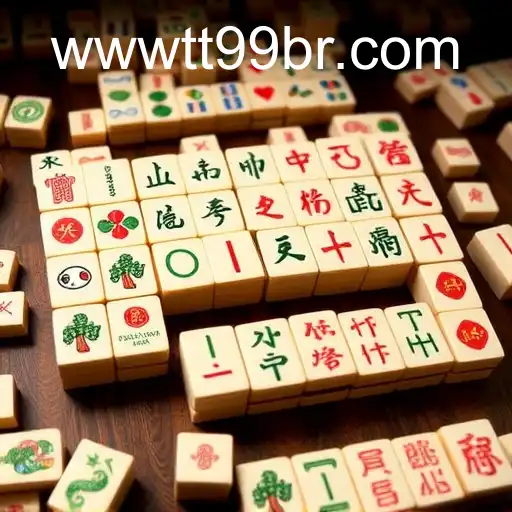
Discover the rich history, rules, and modern developments of Mahjong with an introduction to the innovative TT99.
Mahjong: The Timeless Game and the Rise of TT99
caju7The Origins and Evolution of Mahjong
Mahjong is a game steeped in history and culture that has its origins in China, dating back to the Qing dynasty. The game has transcended borders, gaining popularity in various countries, and it is now played worldwide with numerous variations. The traditional version of the game involves 144 tiles based on Chinese characters and symbols. Despite its long-standing history, Mahjong continues to evolve, reflecting cultural variances and the influence of modern technology.
N58Understanding the Basics of Mahjong
At its core, Mahjong is a game that requires skill, strategy, calculation, and a degree of chance. The primary goal is to build a winning hand by drawing and discarding tiles. A winning hand typically consists of four melds and a pair, although the specifics can vary based on regional rules. The game is played by four players, with each player beginning with 13 tiles and taking turns to draw from a wall of tiles and discard unwanted tiles. The complexities of the game lie in the different combinations and strategies players employ to win.
Key Rules of Mahjong
Although the rules of Mahjong vary between regions, there are fundamental principles that are commonly recognized globally. A typical game begins with the building of a wall composed of the 144 tiles, shuffled and stacked into a square. Players take their initial tiles, and a dealer is decided, who takes an extra tile and initiates the gameplay. The player to the right of the dealer goes first by discarding a tile, and the turn moves counterclockwise.
The objective is to make four sets and one pair. Sets can be of two types: "Pong" (a set of three identical tiles) and "Chow" (a run of three consecutive tiles in the same suit). Each player seeks to complete their sets and pairs by drawing new tiles or claiming discarded tiles from other players.D16
Calling a discard is a strategic element unique to Mahjong. Players can claim a discarded tile to complete a Pong, Chow, or to declare "Mahjong" (a winning hand), provided they have the necessary combination. The game ends when a player declares a win, or if all tiles are drawn from the wall without any player winning, resulting in a draw.
Modern Developments: Introduction to TT99
SP1.GAMESIn recent news, the Mahjong community has been abuzz with the introduction of TT99, a revolutionary digital adaptation that seeks to bridge the traditional and contemporary aspects of the game. TT99 blends the essence of classic Mahjong with modern gaming technology, providing players with a dynamic and engaging experience.FXFX.com
TT99 allows players to connect globally, playing real-time matches with others around the world. One of its key features is the use of artificial intelligence to offer beginners tutorials and guidance, making it easier for newcomers to learn the intricacies of Mahjong. Additionally, the platform's social components enable players to interact, share strategies, and participate in tournaments, fostering a global Mahjong community.
As Mahjong becomes increasingly digital, TT99 offers a fresh perspective on how this traditional game can thrive in the modern gaming landscape. Embracing technology, the game retains its cultural roots while expanding its reach to a broader audience.




0 Comentários